Attacked from all directions: Media workers under fire in Lebanon’s war
Professor Brian Dooley
Journalists, lawyers and other Human Rights Defenders in Lebanon working in the context of the war report severe attacks on those exercising their freedom of expression, says a new report Attacked from all directions: Media workers under fire in Lebanon’s war. These include killings, physical attacks, pressures to censor their work, and online intimidation, according to research documented by the Gulf Centre for Human Rights (GCHR), with support from Maharat Foundation and IFEX.
According to the report, based on in-country research by GCHR Advisory Board member and Mitchell Institute Honorary Professor of Practice Brian Dooley, many journalists report damage to their physical and mental health, and say they lack sufficient protection from international mechanisms designed to protect them. Brian conducted interviews with human rights lawyers, journalists and media organisations in Lebanon in November and December 2024.
The report aims to provide an analysis of the dangers facing local and international journalists in Lebanon, assesses the realities of their exercising their rights of freedom of expression under Article 19 of the Universal Declaration of Human Rights, and offers recommendations to enhance their protection.
The report was prepared as part of a project on Crisis Prevention, Stabilisation, and Peacebuilding in Lebanon through Freedom of Expression Rights.
Although journalists in war are supposed to enjoy special protections, media workers in Lebanon have been targeted, killed and vilified for their work on reporting the truth. A 2023 survey of photojournalists working in Lebanon found attacks on them are so common that many considered them to be a normal part of their job.
From the start of the war in Lebanon, Israel directly targeted, threatened and bombed journalists, killing and seriously injuring dozens, disregarding their international protections.
Although a 60-day ceasefire between political factions in Lebanon and the Israeli government was agreed in late November 2024, many violations of the truce were reported within days, and local journalists and others fear the agreement is so fragile it risks breaking down completely, threatening renewed, widespread danger in the imminent future.
While journalists in conflict are supposed to be protected under customary international humanitarian law, and directly targeting them is a war crime, they have been continually attacked in Lebanon. Signs on cars or journalists’ vests saying PRESS did not provide protection to media crews, or their vehicles or equipment.
Faced with these dangers, many report having to restrict their movements in a context when it is vital they are able to access and report the truth. Many also face chronic financial difficulties, and a lack of insurance and protective equipment
Read the report here.
Read the Press Release here.
Professor Brian Dooley
Brian Dooley is an Honorary Professor of Practice at the Mitchell Institute and a Senior Advisor at Human Rights First, a U.S.- based NGO. He specialises in working with Human Rights Defenders (HRDs) in conflict and post-conflict contexts, and was senior advisor to the UN Special Rapporteur on HRDs Mary Lawlor 2020-2023. His most recent work has been in the Hong Kong revolution and on Russia’s war on Ukraine. He has also written two books related to the conflict in Northern Ireland, including a comparative study of the civil rights movements in the U.S. and Northern Ireland.
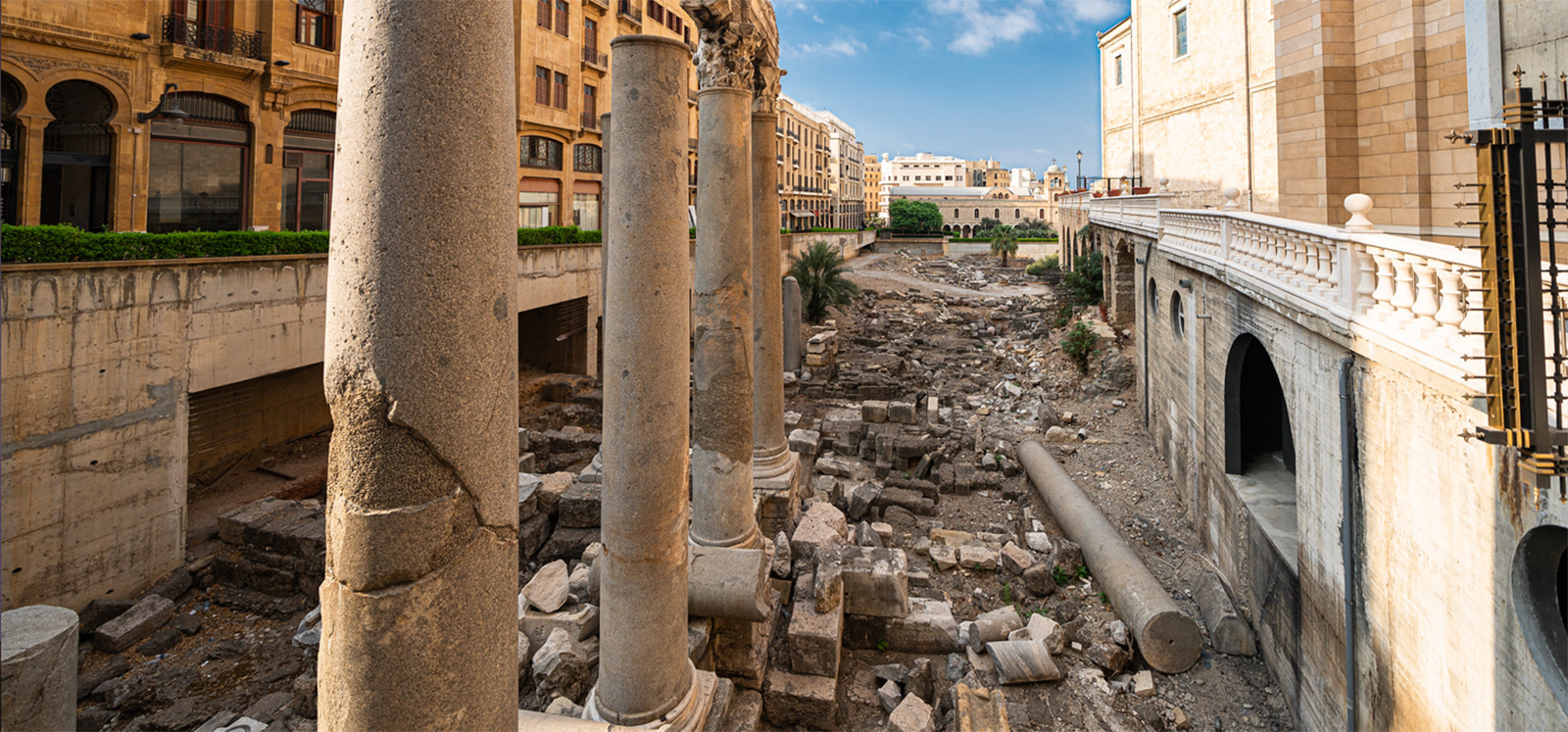
The featured image has been used courtesy of Eugene Kaspersky, Flickr.