
Top
Skip to Content
LOGO(small) - Queen's University Belfast
LOGO(large) - Queen's University Belfast

The Institute For Global Peace,
Security And Justice

  • Home
  • About us
  • Research and Impact
    • Research Priorities
    • Research Impact
    • Publications
    • Digital Events & Public Engagement
    • Blogs
    • GFA25
  • Podcasts
    • Taliban Turbans and The Smartphone
    • Conversations Podcast
    • The Partition of Ireland: Causes and Consequences
    • Postgraduate MPod Podcast
  • People
    • Academic Staff
    • GRI Fellows
    • Visiting Scholars
    • Professors Emeriti
    • Honorary Professors
    • Honorary Professors of Practice
    • International Advisory Board
    • Sabbatical Fellows 2025-26
  • Study
    • LINAS Doctoral Training Programme
    • LINCS Doctoral Training Programme
    • MA Conflict Transformation and Social Justice
    • Scholarships and Bursaries
  • News
  • Events
  • Annual Reviews
  • Policies
  • Contact us
  • Home
  • About us
  • Research and Impact
    • Research Priorities
    • Research Impact
    • Publications
    • Digital Events & Public Engagement
    • Blogs
    • GFA25
  • Podcasts
    • Taliban Turbans and The Smartphone
    • Conversations Podcast
    • The Partition of Ireland: Causes and Consequences
    • Postgraduate MPod Podcast
  • People
    • Academic Staff
    • GRI Fellows
    • Visiting Scholars
    • Professors Emeriti
    • Honorary Professors
    • Honorary Professors of Practice
    • International Advisory Board
    • Sabbatical Fellows 2025-26
  • Study
    • LINAS Doctoral Training Programme
    • LINCS Doctoral Training Programme
    • MA Conflict Transformation and Social Justice
    • Scholarships and Bursaries
  • News
  • Events
  • Annual Reviews
  • Policies
  • Contact us
In This Section

  • Home
  • The Institute for Global Peace, Security and Justice
  • News
  • 2024

2024

How the Conditional Immunity Scheme of the ICRIR will work (or not)

26 February, 2024

Rather than promoting reconciliation, the conditional immunity scheme runs the risk of entrenching divided narratives of the past and undermining trust in public institutions says Professor Louise Malinder.
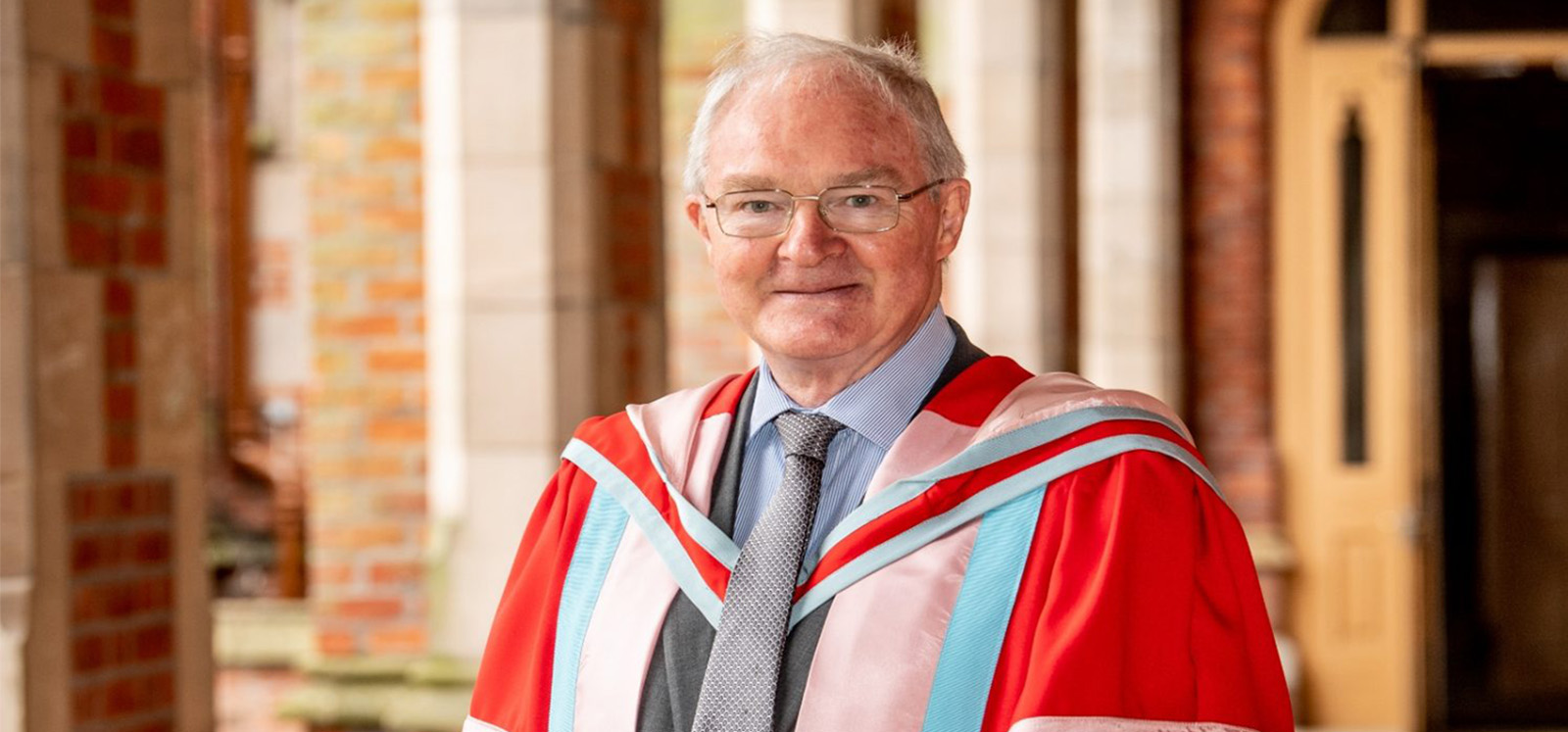
Sir Declan Morgan, Chief Commissioner of the Independent Commission on Reconciliation and Information Recovery.

The Independent Commission on Reconciliation and Information Recovery (ICRIR) was established on 1 December 2023 to implement the UK government’s controversial Northern Ireland Troubles (Legacy and Reconciliation) Act (‘Legacy Act’) that had became law on 18 September 2023. It is now preparing to begin work in summer 2024. These preparations have included publishing reports with ideas on how it might receive requests for information recovery from bereaved families, conduct its investigations into serious Troubles-related offences, and produce reports. However, it has yet to reveal its thinking about how to approach the most controversial of its functions, namely ‘to determine whether to grant persons immunity from prosecution’ for serious Troubles-related offences.

In this blog, I analyse what the Legacy Act tells us about how this process will operate. Much remains uncertain pending the Northern Ireland Secretary of State and Chief Commissioner developing its rules and guidance as required by the legislation. However, the terms of the Legacy Act make clear that the conditional immunity scheme has only limited potential to yield new information for families and Northern Irish society. These limitations coupled with the reality that the scheme was enacted in the face of widespread opposition within Northern Ireland mean that rather than promoting reconciliation, the scheme runs the risk of entrenching divided narratives of the past and undermining trust in public institutions.

Read the full blog here.


Professor Louise Mallinder

Professor Mallinder is the Theme Lead for Legacy at the Institute for Global Peace, Security and Justice and Professor of Law at the School of Law at Queen’s University Belfast. Professor Mallinder's research interests relate to the fields of international human rights law, international criminal law, and law and politics in political transitions.


Share
Latest News
  • Sabbatical Fellowship Scheme 2025-2026
    17 September, 2025
  • Tom Lantos Human Rights Commission Hearing
    19 December, 2024
  • Attacked from all directions: Media workers under fire in Lebanon’s war
    19 December, 2024
  • Gerhard Gundermann’s Songwriting in the Context of Deindustrialisation & Globalisation in the 1990s
    19 December, 2024
  • Amnesties for Political Crimes: From Terrorism to Dissent
    19 December, 2024
News
  • News
QUB Logo
Contact Us

The Institute for Global Peace, Security and Justice

Queen's University Belfast
18-19 University Square
Belfast
United Kingdom
BT7 1NN

T: +44 (0) 28 9097 3609 / 1346 
E: mitchell.institute@qub.ac.uk

Quick Links

  • Home
  • Study
  • Research
  • Podcasts
  • Newsletter

Social Media

© Queen's University Belfast 2024
  • Privacy and cookies
  • Website accessibility
  • Freedom of information
  • Modern slavery statement
  • Equality, Diversity and Inclusion
  • University Policies and Procedures
Information
  • Privacy and cookies
  • Website accessibility
  • Freedom of information
  • Modern slavery statement
  • Equality, Diversity and Inclusion
  • University Policies and Procedures

© Queen's University Belfast 2024

Manage cookies