
The Preservation of Peace and a Hopeful Future: The Good Friday Peace Agreement, 25 Years Later
Rombsala Said, Master’s degree student: Conflict Transformation and Social Justice
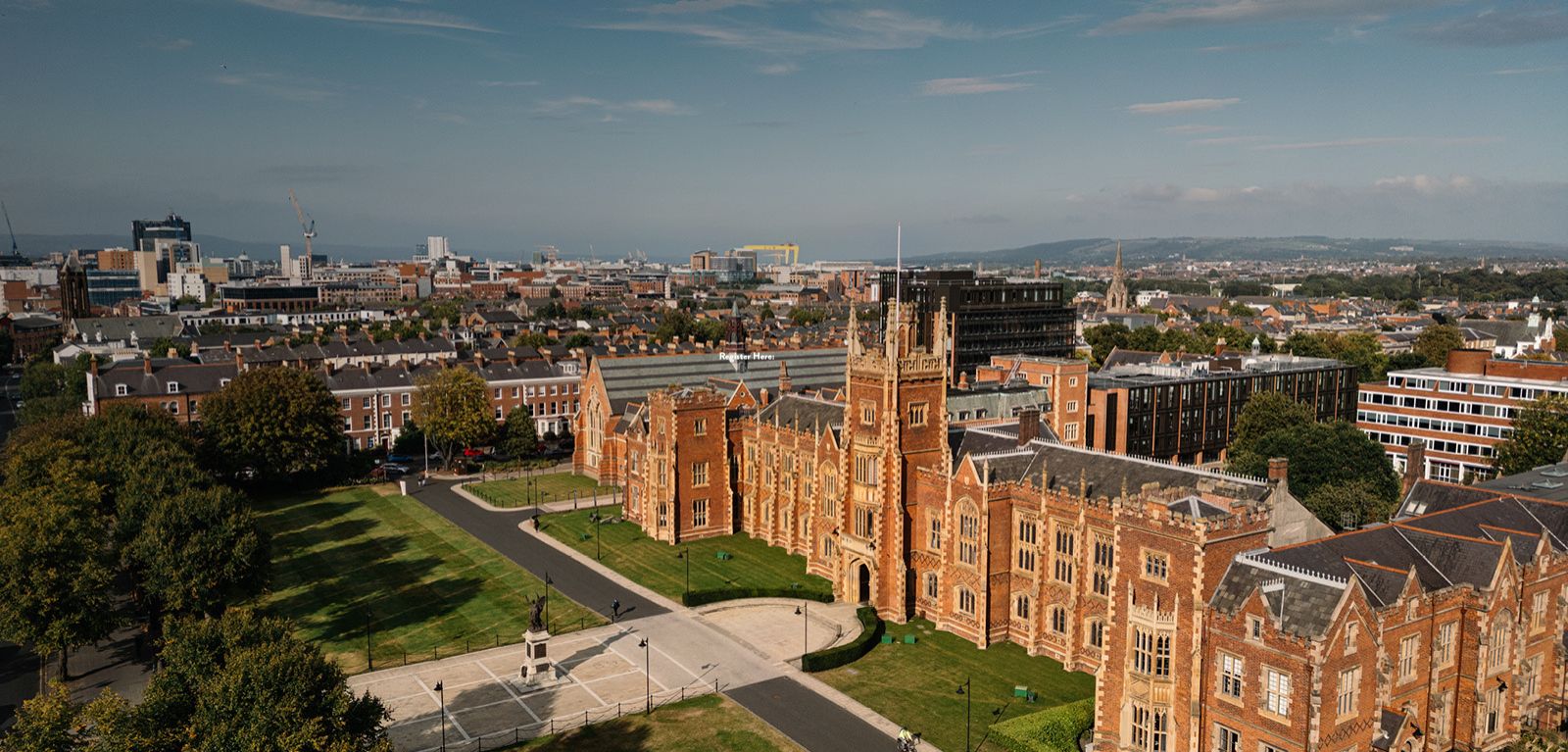
On April 10, 1998, the Belfast Agreement was signed, ending decades of conflict in Northern Ireland. This year marks the 25th anniversary of that historic event when the people of Northern Ireland, along with their politicians decided the time for peace had come. Forging a new course, they came together in an historic move, and voted for a better, more hopeful future; one without violence, filled with opportunity and prosperity.
The Agreement 25 conference at QUB - commemorating the 25th anniversary of the peace agreement - was an historic three days filled with emotion, excitement and celebration. The conference brought together political leaders, academics, and activists to reflect on the achievements of the Belfast Agreement and discuss the ongoing challenges facing Northern Ireland.
We heard from the framers of the agreement, the signers, current and past politicians and more. As an American studying an MA in Conflict Transformation and Social Justice, I was on the brink of tears with every speech I heard in the beautiful Whitla Hall auditorium. I was lucky enough to volunteer and attend every event that was held.
The conference began with a welcome address by Queen's University Vice-Chancellor, Professor Ian Greer. This was followed by an introduction by Queen’s University Chancellor, and Secretary Hillary Rodham Clinton.
What followed was three days of panels and discussions involving not only politicians and civil servants, but victims and survivors as well. We listened to their stories of struggle, grief, loss and overcoming the most horrific of tragedies. And while they have overcome much on their path to peace, they understand that in spite of these struggles, or perhaps because of them, the work is far from over.
What was made clear throughout the conference, is that while the politicians and activists were instrumental in facilitating the process and agreement, it was then, and is now civil society and the grass roots organizers who stand at the forefront of continued peace and reconciliation. In a place with no formal government, it is up to the people to continue the work, it is the people who are painting the peace… and boy are they up for the task.
On April 26, I attended another conference that was held as a part of the 25th Agreement celebrations at the Mac Theatre, Belfast, titled “Paving the Path to Peace: Civil Society and the Northern Ireland Peace Process”. Here, we heard from the people on the ground who started their journeys long before the final cease-fire, before the peace talks began and the agreement was inked, before the historic vote took place. Work that took decades, culminating in an imperfect compromise on the path to peace- but the work didn’t stop there.
From women’s coalitions to trade unions to religious leaders bringing together divided communities, they strove for unity. For they knew the importance of putting their differences aside in order to achieve peace.
In Avila Kilmurry’s (Social Change Initiative) speech she emphasized the importance of listening to the people. In 1994, following the cease-fire, a community survey was conducted which asked the people what they needed and the problems they wanted addressed. The response was overwhelming and included housing, jobs, political prisoners, victims and survivors and overall their civil liberties. They wanted a sustainable future. Kilmurry stressed that Transversal Politics is a key factor in achieving this, people working together, sharing and respecting their differences. It is vital to bring things back to a value-base: this is how to forge ahead and create sustainable peace now and for the future.
Mary Montague (Mediators Beyond Borders) echoed this sentiment:
“Peace is not just the absence of violence, nor is it something that's actually given the people through political agreements. Whilst these create an environment for change, it is the change within people's hearts and minds and spirits that transforms conflicts to sustainable peace, the word being sustainable. That is the opportunity that is offered to participants when they engage in being listened to”
Listening… for me this was a key takeaway from the events over the last two weeks. In order to continue peace within the communities, the first step to continue to listen to the people and head what they are asking for and what they want.
As Bronagh Hinds (Senior Associate, DemocraShe) said,
“The peace process belongs to the people, not politicians”
Therefore, it is vital to continue listening and working with the people of Northern Ireland to forge a sustainable path of continued peace.
Overall, the observance of the 25th anniversary of the Belfast Agreement at Queen's University and throughout Belfast was a significant event that provided an opportunity for experts, activists and the public to come together, share their experiences and perspectives, and continue the important work of building peace in Northern Ireland.
The conferences and panels demonstrated the progress made over the past 25 years, while also acknowledging the ongoing challenges that need to be addressed to achieve a lasting and sustainable peace in the region. It was stated multiple times in the last two weeks that while the agreement didn’t solve all of their problems and was far from perfect, it was a necessary compromise to forge a path forward. It is now, however, up to the people to keep it going. One thing it seems that all sides can agree on is that no one wants to see violence return to the streets of this wee country.
The future for Northern Ireland is bright and hopeful. Here's to another 25 years of peace and progress in Northern Ireland.
Rombsala Said is a postgraduate student on the Masters degree programme: Conflict Transformation and Social Justice. She is researching the link between paramilitaries and racism in Northern Ireland, with a focus on community discourse and the false sense of safety/security that they perpetuate throughout the neighborhoods where they are still active.